Structural Safety Restored
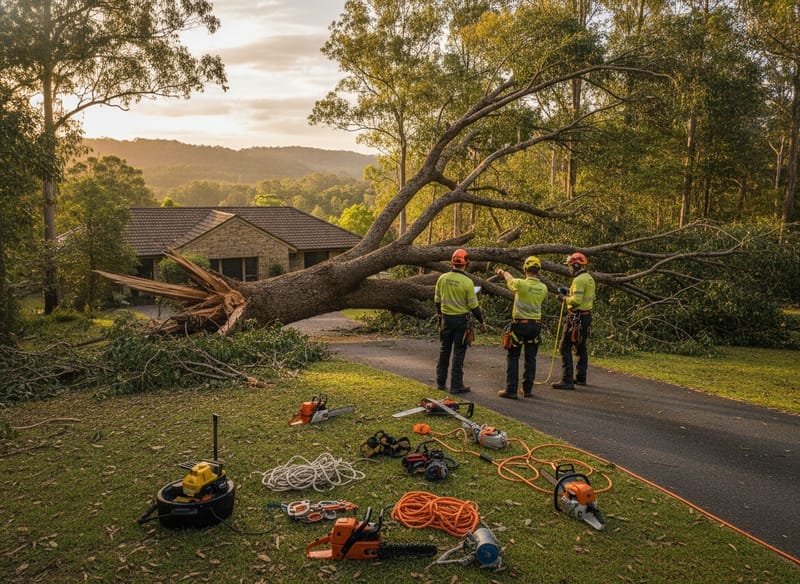
Promptly remove tons of deadwood resting on your home, preventing structural collapse or water ingress.
Safe, professional clearing of fallen, dangerous, or storm-damaged trees threatening properties.
Prioritising storm damage across Shoal Point and northern Mackay
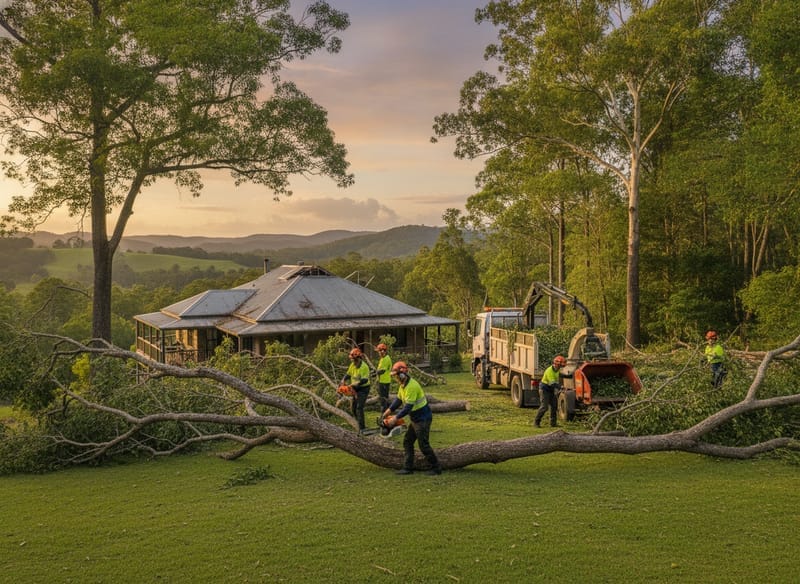
When severe storms or cyclones strike, we provide emergency tree removal Shoal Point to make your property safe. High winds and saturated sandy soil can cause whole trees or massive limbs to crash onto roofs, driveways, and powerlines. Our fully insured team prioritises dangerous trees and storm-damaged vegetation, working efficiently to clear hazards and protect your family and home.
Shoal Point's beachfront exposure means we face severe coastal wind loads. Root failure in soft sand is common after prolonged monsoonal rains, requiring specific stabilizing techniques before clearing failed trees.
Promptly remove tons of deadwood resting on your home, preventing structural collapse or water ingress.
Clear your vehicle access and driveways so emergency services or utility crews can access your block.
We document the structural failure with detailed photos and assessments to streamline your home insurance claim.
We inspect structural loads, tension vectors, and nearby overhead powerlines on arrival.
We use winches and ropes to secure unstable trunks before making any chainsaw cuts.
We carefully piecemeal the fallen tree, relieving tension gradually to avoid shifts.
We mulch all branches, pile structural logs, and clear the hazard site to make it safe.
Tropical storms, sudden wet-season squalls, and severe cyclonic gales off the Coral Sea can transform mature coastal tree canopies into dangerous property hazards within minutes. When a compromised canopy splits or a tree collapses across your roof, driveway, or boundary fence, our crew is equipped to deliver immediate Emergency Tree Removal Shoal Point residents can depend on. Shoal Point properties face a unique combination of exposed coastal winds, sandy salt-laden soils, and intense wet-season rain events that rapidly saturate root plates and destabilise mature timber.\n\nWhether you are dealing with a fractured poinciana hanging precariously over a bedroom, an uprooted coconut palm resting on overhead power infrastructure, or an unstable African mahogany threatening an outbuilding, we dispatch experienced AQF-qualified arborists. We bring heavy rigging equipment, wood chippers, and tracked machinery directly to your site to stabilise the hazard, relieve structural loading, and eliminate ongoing danger to your household.
In the wake of severe weather events like ex-Tropical Cyclone Koji, the temptation to grab a chainsaw and clear storm debris yourself is understandable, but storm-damaged trees hold immense internal mechanical tension. Trunks under dynamic compression or tension can kick back violently, roll without warning, or snap upwards the moment a cross-cut is attempted. Attempting DIY clearance or hiring unqualified operators without arborist qualifications frequently results in severe crush injuries, secondary structural collapse, or accidental contact with energised service lines.\n\nUnqualified contractors also tend to leave behind hazardous hung-up limbs high in the canopy, which remain ticking time bombs during the next coastal blow. Our team resolves this risk through disciplined, AS4373-compliant emergency tree removal methods. We evaluate the load paths and internal fibre stress of every fallen or leaning stem, establish controlled exclusion zones, and employ precision multi-point rigging systems. This methodical approach ensures that dangerous timber is dismantled section by section without causing additional impact damage to your roof, outdoor structures, or neighbouring fences.
Our emergency response protocol combines specialised arborist equipment, technical mechanical rigging, and certified risk control procedures to safely dismantle high-hazard storm timber.
Immediate on-site evaluation of timber tension, lean angle, and structural load points. We secure compromised stems using high-tensile synthetic winch lines and ground-anchored mechanical guy systems to lock unstable trunks in place before our climbers or ground crews begin cutting.
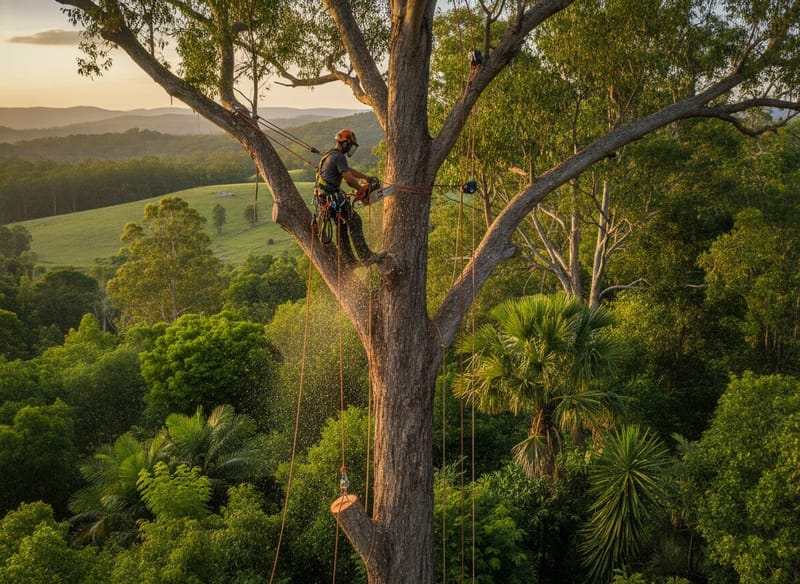
Where fallen trees rest directly on buildings or vehicles, we use sectional climbing dismantles and crane-assisted rigging to lift heavy wood sections vertically away from the impact surface, completely avoiding further downward crushing force.
Application of specialised chainsaw cuts—including bore cuts, tongue cuts, and staged bypass kerfs—to safely bleed off trapped compression and tension forces within spring-loaded trunks before the final severing cut is made.
Targeted removal of fractured, suspended branches caught high in the crown using dynamic friction lines, throwlines, and extended pole tools to eliminate overhead drop hazards before ground cleanup commences.
Deployment of narrow-access tracked spider lifts and mini-loaders to navigate saturated, sandy coastal soils and tight residential boundary access without damaging underground utilities or soft lawns.
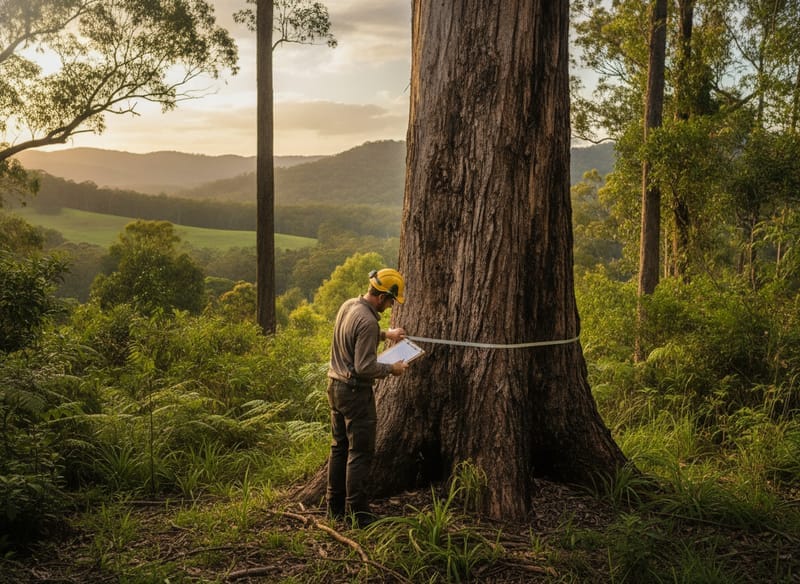
When you contact our emergency line, our senior arborist gathers essential details about the tree species, trunk diameter, structural involvement, and any downed electrical or service lines. We dispatch our emergency unit promptly, aiming for an arrival window of quickly across Shoal Point and neighbouring coastal suburbs like Bucasia, Eimeo, and Blacks Beach. On arrival, our crew establishes an exclusion perimeter to keep family members and neighbours safe from drop zones.\n\nThe make-safe phase starts with structural stabilisation, securing the tree with mechanical winches or cranes to prevent further shifting. Our AQF Level 3 climbers and ground crews systematically dismantle the canopy, prioritising the removal of weight resting against your home, shed, or vehicles. For rapid Emergency Tree Removal Shoal Point homeowners count on our team to process all green waste on-site with high-capacity chippers, clear primary driveways and access points, and provide an itemised arborist invoice and photographic report suitable for direct submission to your insurance provider.
All our emergency operations strictly adhere to AS4373 (Pruning of Amenity Trees) for any remedial canopy cuts, while our team carries AQF Level 3 trade qualifications and AQF Level 5 consulting arborist capabilities for formal hazard assessments. Our operators maintain current High Risk Work EWP licences, Working at Heights (RIIWHS204D) certification, Chainsaw Operations tickets, and First Aid qualifications. We are fully insured with comprehensive public liability and WorkCover policies. Following severe regional weather declarations such as ex-Tropical Cyclone Koji, we operate under the active disaster clearing exemptions aligned with the Mackay Region Planning Scheme 2017 and the Vegetation Management Act 1999, ensuring all emergency hazard removals are thoroughly documented with pre-work photographic evidence for municipal records and insurance verification.
Shoal Point presents a challenging coastal microclimate where monsoonal summer rainfall coincides with severe maritime wind gusts. The local sandy coastal plain loses its shear strength rapidly during prolonged wet spells, turning the root zone into unstable slurry. This explains why coastal properties in Shoal Point experience whole-tree root plate overturns rather than simple branch breakage during major storms.\n\nLarge poinciana (*Delonix regia*) specimens with broad spreading canopies, heavy backyard mango trees (*Mangifera indica*), and brittle declared weeds like African tulip (*Spathodea campanulata*) frequently succumb to saturated soil failure. Furthermore, persistent salt spray off Shoal Point beach stresses the crown of local forest red gums (*Eucalyptus tereticornis*) and coastal paperbarks (*Melaleuca*), leaving dead hollows that fracture under high wind loads. When executing Emergency Tree Removal Shoal Point properties demand specialized machinery suited to narrow side gates, soft sand, and strict council vegetation guidelines.
After an emergency removal, closely monitor all surrounding trees. Severe winds that take down one mature tree often loosen the root plates or crack major branch unions on adjacent trees without causing immediate failure. Inspect remaining poincianas, figs, and gums for fresh ground mounding, root heave, or vertical trunk cracks.\n\nSpread the organic wood mulch produced from the emergency job across your garden beds to stabilise exposed sandy topsoil against storm erosion, making sure to leave a 100mm gap around the base of remaining trunks. We recommend booking a comprehensive pre-storm season canopy assessment between August and October, allowing our arborists to prune defective limbs, reduce heavy canopies, and protect your property before the next monsoonal season arrives.
Emergency jobs are quoted based on the risk level, tree placement, and gear needed to make the site safe.
We provide a clear, binding written price on site before we start any emergency work.
We prioritise storm and fallen tree emergencies in Shoal Point and surrounding coastal zones.
Contact our local Mackay crew to clear fallen, hazardous, and storm-damaged trees safely.
Request Emergency Quote